






Brand identity assets creation
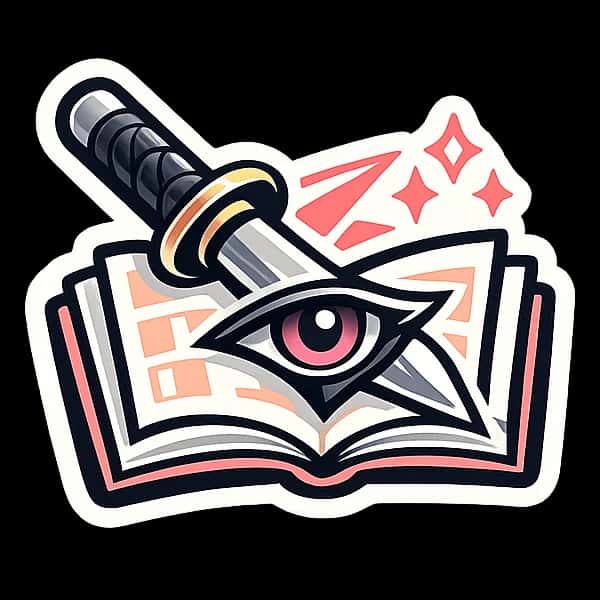
Generate mascots, icons, and consistent illustrations for brand guidelines, maintaining style across all touchpoints without multiple design iterations or external illustrators.
brandingmascot designicons

— Category • UPDATED MAY 2026
Discover top AI illustration generators that turn prompts into stunning vector and raster art. These tools help designers, marketers, and artists create custom illustrations quickly without manual drawing. Explore our curated list of the best AI illustration generators for every creative need.
179
Total tools • 0 added this month
123
With free trial • 70% offer free tier
4.4 ★
Avg rating • from 716 reviews
Recently
Last updated • from live listings
Showing 1-60 of 179 Ai Illustration Generator Tools tools
Explore Image2 AI's features, pricing, pros, cons, and AIChief verdict. Generate and edit images and videos with GPT Image 2 and other AI models.
Personalized illustrated storybook from one photo. Approve the likeness before you pay. Free to start, no card. $15 digital, $35 softcover, $45 hardcover.
Generate or upload AI images, remove backgrounds, edit vector paths, and export clean SVG or transparent PNG assets with CleanVector.
AI Image enables you to generate, edit, and restyle images directly in your browser, without the need for installations. With access to top AI models like Nano Banana, GPT Image 2, and Midjourney, you can create professional-quality visuals in moments.
MangaAI.me enables you to transform your stories into complete manga pages with AI, featuring consistent characters and professional layouts. No drawing skills required—just describe your scene, choose a style, and let the AI create your manga.
Explore Anifun AI Comic Generator's features, pricing, pros, cons, and AIChief verdict. Create manga, comics, and webtoons from text for free.
Recraft helps designers generate AI images and editable vector graphics. Create consistent brand styles and professional design assets for your projects.
ChatGPT Images 2.0 helps you generate high-quality visuals in horizontal, square, or vertical formats. This tool introduces a new era of image generation.
Image to Prompt Generator helps you instantly convert images or text into high-quality AI art prompts compatible with major AI models. Image to Prompt Generator requires no login and supports multiple languages and popular art styles for easy, professional results.
Nano Banana helps you create and edit images with AI precision, maintaining character consistency and visual coherence across scenes. Nano Banana offers advanced text-to-image generation and real-time editing for professional-quality visuals.
ImagineAPP helps you create eye-catching meta titles and descriptions to boost your website’s visibility and engagement. Use ImagineAPP to increase click-through rates and attract more prospects naturally.
Illustro helps you turn text into professional illustrations instantly. Create unique, editable graphics for commercial projects without design skills.
Cool Coloring Pages helps you create unique, personalized coloring pages from any idea or photo in seconds. This AI tool offers endless designs for all ages, perfect for fun and creativity.
FlowCraft helps you instantly turn a sentence into flowcharts, mind maps, and diagrams without dragging a single box. Describe your idea, pick a style, and export polished visuals in seconds.
Colorings helps you create personalized AI-generated coloring pages quickly for all ages and skill levels. Colorings offers easy customization and a vast template library to enhance creativity and learning.
Selfarama helps you create personalized art-history books featuring your child in famous art styles. Selfarama offers easy ordering, proof reviews, and fast worldwide shipping for a unique educational keepsake.
IllustrationsAI helps you create eye-catching meta titles and descriptions to boost CTR and increase upvotes. Use this tool to enhance your website’s visibility and engagement naturally.
Blythe Doll AI helps you design custom doll characters using artificial intelligence. Generate unique styles and visualize your creative ideas easily.
Art Review Generator helps you create compelling meta titles and descriptions to boost visibility and engagement on your website. Use this tool to increase upvotes and attract more prospects naturally.
Gendo helps architects create photorealistic renders from sketches quickly on a collaborative AI canvas. Gendo streamlines design workflows with material edits, style transfers, and secure data control.
Artiphoria helps users create unique AI-generated images instantly with one click, unlocking endless creative possibilities. Artiphoria simplifies digital art creation for artists and designers, enhancing your website’s visual appeal and engagement.
AiColoring.art helps you turn any text prompt into custom, printable coloring pages with both black-and-white and colored versions. Perfect for artists, educators, and parents, it makes creating unique, AI-generated designs simple and fun.
A1.art helps you create eye-catching meta titles and descriptions to boost your website’s visibility and engagement. Use it to increase upvotes and attract more traffic naturally.
Naria helps families create personalized children's stories by turning their ideas into custom characters and illustrated scenes. This AI tool makes it easy to publish stories digitally or print them as softcover or hardcover books.
ThinkDiffusion helps users run and manage powerful open-source AI art tools in the cloud with ease and flexibility. ThinkDiffusion offers private workspaces, one-click uploads, and support for multiple devices to enhance your creative workflow.
Muse Pro helps artists create detailed digital drawings with real-time AI guidance and intuitive tools. Muse Pro lets you enhance your artwork effortlessly while staying in full creative control.
My AI Ninja helps you create tailored social media posts, blog articles, and carousels quickly to boost your online engagement. My AI Ninja uses advanced AI to generate authentic content that matches your brand and audience effortlessly.
StickerIt.ai helps you design custom stickers by turning text prompts into unique artwork. Create professional decals for your business or personal use.
StoryArtAI helps users create AI-generated children's book illustrations quickly and easily. Enhance your storytelling with vibrant, custom visuals that engage young readers.
StoryCraftr helps you create personalized bedtime stories for your child based on your family values and preferences. This AI tool generates unique characters and adventures quickly to inspire imagination and meaningful moments.
Salvador helps users create stunning images easily using the DALL·E 3 interface. Salvador simplifies AI image generation to enhance your creative projects efficiently.
Cardamore.ai helps you create hyper-personalized cards instantly using AI, tailored to your recipient’s unique interests. Cardamore.ai makes it easy to design meaningful cards for any occasion, enhancing your gift-giving experience.
VectorUbi was an AI vector illustration generator that helped creators and marketers produce SVG illustrations, but the service has been discontinued and is no longer accepting new signups or payments. For archive or account support, email the team directly.
Storytime helps you create personalized children's picture books using your family photos and AI-generated illustrations. Storytime lets you easily design, download, or print custom stories to enjoy with your family.
Enchanted Pages helps you create personalized children's stories using AI. Design unique adventures where your child is the hero of every magical tale.
illustration.app helps you generate custom, consistent vector illustrations in seconds without design skills or expensive freelancers. Create professional visuals for any project and export them as ready-to-use SVGs.
NijiJourney helps you create eye-catching meta titles and descriptions to boost your website’s visibility and engagement. Use it to increase upvotes and attract more prospects naturally.
SchnellAI helps you create high-quality AI-generated images quickly using simple text prompts. SchnellAI offers fast, versatile image generation for personal or commercial use with easy customization options.
Redesign With AI helps users create unique designs like logos, icons, and posters quickly with easy-to-use AI tools. Redesign With AI boosts creativity and saves time, making design accessible for all skill levels.
NextGen helps you create eye-catching meta titles and descriptions to boost your website’s visibility and increase user engagement. Use NextGen to improve click-through rates and attract more prospects naturally.
DreamChanted helps you create eye-catching meta titles and descriptions to boost your website’s visibility and increase user engagement. Use DreamChanted to improve click-through rates and attract more prospects naturally.
PicTrix helps designers and creators generate clean SVG and pixel art assets faster, with image guides to lock in composition while you explore new styles. Browse real output in the gallery to build confidence before you start prompting.
AI Tattoo Ideas helps you generate unique tattoo designs using artificial intelligence. Explore thousands of custom styles to find your next perfect ink.
Twin Pics helps users create and match AI-generated images daily by describing pictures for a fun, interactive experience. Twin Pics encourages creativity and teamwork with easy classroom play and no account needed.
Petalica Paint automatically colorizes your sketches and line art using AI technology. Upload drawings and add color hints to refine your artwork easily.
OnceUponABot helps you create unique children's stories using AI, allowing easy editing, exporting, and sharing. This tool adjusts reading levels and supports multiple languages to engage readers of all ages.
MyPrint.ai helps you transform your photos into unique AI-generated artworks and print products with ease. MyPrint.ai offers fast delivery and high-quality prints to personalize your home or gifts.
MyStoryBooks helps you create engaging stories that boost your website’s visibility and attract more visitors. Use it to craft eye-catching titles and descriptions that increase upvotes and drive traffic.
NeuralBlender helps users create unique AI-generated art to enhance website visuals and engagement. This tool makes it easy to boost your online presence with creative, eye-catching images.
Dad Can't Draw helps you create eye-catching meta titles and descriptions to boost your website’s visibility and increase user engagement. Use this tool to improve click-through rates and attract more visitors naturally.
StarNgage AI helps you create custom AI models that capture your unique brand style for endless content generation. Use your personalized AI to produce professional product images and social media content without costly photoshoots.
Artwurk.ai helps you create eye-catching meta titles and descriptions to boost your website’s visibility and increase user engagement. Use Artwurk.ai to attract more prospects and improve your online presence effectively.
Grok-2 AI Image Generator helps users create high-quality, customizable AI artwork quickly with an easy-to-use interface. Grok-2 offers features for both beginners and professionals to generate and share unique images effortlessly.
StoryMagician.ai helps you create personalized children’s storybooks featuring your child as the hero, boosting reading skills and imagination. Easily customize stories and illustrations to craft unique, engaging tales that inspire a love for reading.
Sketchar helps artists and beginners create murals and drawings using augmented reality on any surface with ease. Sketchar offers cross-device syncing and 1000+ lessons to improve skills and bring ideas to life.
TattooDesignPro helps you create unique and detailed tattoo designs effortlessly using AI technology. This tool simplifies the design process and enhances your creativity for personalized tattoos.
Anifusion helps you create professional manga and comics from text prompts. Use the canvas editor to refine layouts and add custom text to your stories.
Flux AI Image Generator helps you create high-quality visuals from text descriptions quickly using advanced AI models. Flux AI offers flexible settings and free access to generate stunning images that enhance your creative projects.
ArtVibe helps users create stunning AI-generated paintings from simple text prompts with diverse styles and fast results. ArtVibe makes it easy to bring your artistic ideas to life and share your creations effortlessly.
Mood Board AI helps you effortlessly create and customize stunning mood boards for interior design, fashion, and more. Mood Board AI streamlines your creative process with AI-generated designs, easy editing, and product suggestions.
Hand-picked reads from our editors — guides, comparisons, and field notes from the engineers shipping with these tools every day.
AI illustration generators are specialized software that uses machine learning models to create original artwork from text descriptions or reference images. Unlike generic image generators, these tools focus on producing illustrations with distinct styles-from flat vector art to watercolor sketches-making them valuable for branding, publishing, and digital content. They democratize illustration by lowering the barrier to entry, allowing anyone to produce professional-looking visuals without traditional art skills. For teams already using AI image generation, these illustration-specific tools offer finer control over composition and style.
The technology behind these generators typically relies on diffusion models or generative adversarial networks (GANs) trained on vast datasets of illustrated artwork. Users input a prompt describing the scene, characters, or mood, and the AI produces multiple variations. Advanced tools allow iterative refinement, style reference uploads, and parameter adjustments for color palette, line weight, and level of detail. Many platforms now offer real-time previews and batch generation, streamlining production for high-volume needs.
When evaluating AI illustration generators, focus on features that align with your creative workflow. The best tools offer customizable style presets, high-resolution output, and the ability to edit or reimagine existing illustrations. Support for vector formats (SVG, EPS) is crucial for scalable design work, while raster options (PNG, JPG) suit web and print. Look for platforms with robust prompt engineering capabilities, including negative prompts to exclude unwanted elements.
Additional capabilities include batch processing, API access for automation, and integration with design software like Adobe Illustrator or Figma. Some tools provide built-in upscaling and background removal, reducing the need for separate editing steps. Pricing models vary-from free-tier credits to subscription plans-so consider usage volume and required features.
AI illustration generators operate on deep learning models trained on millions of images paired with textual descriptions. During inference, the model takes a user prompt and a random noise seed, then iteratively refines the image to match the prompt. Conditioning techniques like classifier-free guidance allow users to trade off creativity for adherence to the prompt. Advanced models can also accept input images for style transfer, enabling users to apply an illustration aesthetic to a photograph or sketch.
The output quality depends on the model architecture and training data. Specialized illustration models focus on clean lines, flat colors, and distinct art styles, whereas general models may produce photographic results. To achieve the best results, users craft detailed prompts with specific keywords like "flat vector illustration," "children's book style," or "isometric view." Many platforms offer prompt assistance or style libraries to guide newcomers.
AI illustration generators significantly reduce the time and cost of creating custom visuals. Designers can rapidly prototype concepts, explore multiple styles, and generate assets for A/B testing without commissioning illustrators. For marketers, this means faster turnaround for social media graphics, blog headers, and ad creatives. The ability to produce on-brand illustrations consistently is a game-changer for content calendars and campaign rollouts.
Additionally, these tools empower non-designers to produce professional visuals, freeing up design teams for higher-level strategic work. For agencies, scaling illustration output across multiple client projects becomes feasible. The integration into existing workflows-such as banner design or avatar creation-further amplifies productivity.
From product packaging to educational content, AI illustrations are versatile. E-commerce brands use them for product heroes and infographics. Publishers generate spot illustrations for articles and children's books. Social media managers create engaging post visuals that stand out in feeds. For profile pictures, AI can craft unique, stylized avatars that reflect brand personality.
Another growing area is game development, where AI generates concept art, character designs, and environment sketches. Marketers leverage illustrations for explainer videos, while UI/UX designers use them for app illustrations and onboarding screens. The wallpaper generation space also benefits from AI illustration tools that produce pattern-based or scenic wallpapers on demand.
While AI illustration generators excel at speed and iteration, they differ fundamentally from human-made art. Traditional illustration offers unique artistic expression, emotional depth, and precise control over every stroke. AI output may occasionally produce inconsistent anatomy or lack narrative subtlety. However, AI serves as a powerful assistant-artists can use it for brainstorming, rough drafts, or generating complex backgrounds, then refine manually.
Cost and time are key differentiators. Commissioning a professional illustrator can cost hundreds of dollars per image and take days. AI tools generate hundreds of options in minutes for a fraction of the cost. For projects with tight deadlines and limited budgets, AI provides a practical alternative without entirely replacing human creativity.
To maximize the value of AI illustration generators, integrate them into your existing design process. Start with mood boards and prompt experimentation to refine the desired style. Use generated images as base layers for further editing in vector software or raster editors. Many tools offer export to common formats, and some provide direct plugins for design tools like Photoshop and Figma.
Establish a prompt library and version control for projects. For teams, centralize approved outputs to maintain brand consistency. Combine AI illustration with broader image generation workflows to cover all visual needs-from photorealistic to illustrative-in a single pipeline.
Consider your primary use case: vector illustrations for scalable design, or raster for digital art. Evaluate the tool's style range-some specialize in flat design, others in realism or abstract. Test the prompt responsiveness: does the tool understand complex requests? Check output resolution and format options. For commercial use, confirm licensing terms and ownership rights.
Also assess ease of use: intuitive interfaces, preview speed, and community support. Free trials allow hands-on comparison. Look for tools with active development and regular model updates. Pricing should align with your volume: pay-per-image can be cost-effective for occasional use, while subscriptions suit frequent creators.
Advancements in generative AI point toward even greater precision and control. Future models will likely offer real-time collaborative editing, 3D illustration generation, and seamless integration with augmented reality. Ethical considerations around copyright and artist attribution continue to evolve, with some platforms implementing provenance tracking. As the technology matures, AI illustration generators will become standard tools in every creative's kit, complementing rather than replacing human artistry.
Teams across industries leverage AI illustration generators to create custom visuals quickly and cost-effectively. Here are six common applications that showcase the versatility of these tools.
Generate mascots, icons, and consistent illustrations for brand guidelines, maintaining style across all touchpoints without multiple design iterations or external illustrators.
Produce whimsical, colorful illustrations for storybooks by describing characters and scenes, enabling rapid prototyping of entire book spreads and easy revisions.
Create a library of themed illustrations for posts, stories, and ads, ensuring visual variety while adhering to brand colors and without repetitive stock imagery.
Design custom product illustrations for listings, infographics, and packaging, highlighting features in a unique style that differentiates from competitors.
Quickly generate concept sketches, environment art, and character designs to explore aesthetics and iterate on ideas before full production.
Convert complex information into clear, engaging illustrations for textbooks, presentations, and e-learning modules, improving comprehension and retention.
We’re always looking to improve our tool collection. If you think we’re missing something or have any questions, let us know!