

Originally reported bycnbc
AMD has introduced its next-generation Instinct MI400 AI chips, aiming to challenge Nvidia’s dominance in the data center GPU market. CEO Lisa Su unveiled the new chips during a launch event in San Jose, emphasizing their use in “rack-scale” systems — powerful server racks called Helios that function as a single unified computing engine. This approach is designed for cloud providers and companies developing large language models who need massive AI clusters across entire data centers.
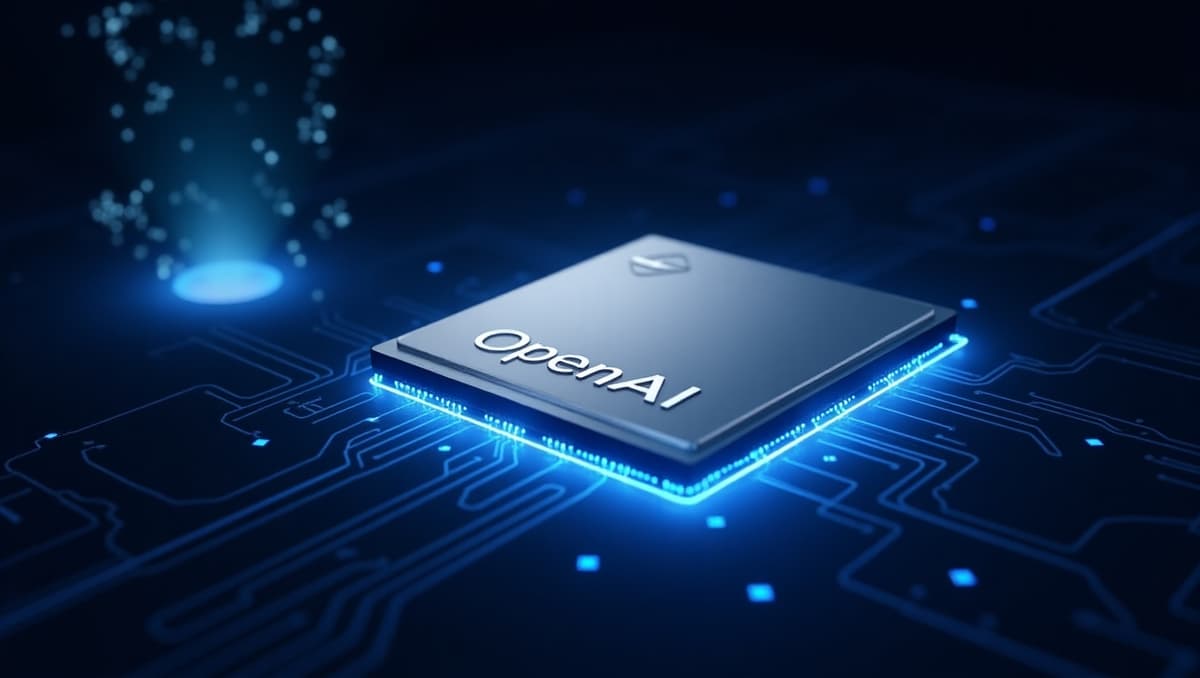
OpenAI CEO Sam Altman appeared on stage with Su and confirmed that OpenAI will use AMD’s chips. Altman praised the specifications, calling the new system “an amazing thing.” The Helios racks will compete directly with Nvidia’s upcoming Vera Rubin systems, and AMD hopes to win customers by offering performance advantages at lower operating costs.
AMD claims its MI355X, already shipping, offers better power efficiency and cost-effectiveness than Nvidia’s Blackwell chips. AMD says its latest chips deliver up to 40% more AI output per dollar due to improved memory capacity and reduced power use. While Nvidia still leads the market with over 90% share, AMD’s strategy includes aggressive pricing and open software support, positioning itself as a competitive alternative for inference and training.
Major players like OpenAI, Tesla, xAI, Cohere, Meta, Microsoft, and Oracle are already adopting AMD chips. Oracle plans to deploy clusters with more than 131,000 MI355X units. Meta is using AMD hardware to run inference for its Llama models, while Microsoft uses AMD chips for its Copilot AI services.
AMD is leveraging recent acquisitions, including server maker ZT Systems and networking firm Pensando, to build full-stack AI infrastructure. Its new systems integrate CPUs, GPUs, and networking technology to deliver a cohesive AI solution. AMD is also using the open-source UALink instead of Nvidia’s proprietary NVLink.
Despite Nvidia’s current lead, AMD projects the AI chip market will exceed $500 billion by 2028. With the MI400 set to ship next year and continuous yearly updates planned, AMD is aggressively positioning itself to capture a larger share of the rapidly growing AI infrastructure market.
#news
ES
Editorial StaffEditor
The Editorial Staff at AIChief is a team of professional content writers with extensive experience in AI and marketing. Founded in 2025, AIChief has quickly grown into the largest free AI resource hub in the industry.
View all posts
What did you think of this story?
User Comments
Filter:
No comments yet. Be the first to comment!